+8613413290456

In the field of modern architecture, transportation, and industrial manufacturing, aluminum honeycomb panels have become a revolutionary material choice. Known for their lightweight structure, high strength, and outstanding durability, these panels are now widely used in various industries—from building façades and ceilings to furniture and marine engineering. But what exactly are aluminum honeycomb panels used for, and why have they gained such popularity? Let’s explore in detail.
1. Understanding Aluminum Honeycomb Panels
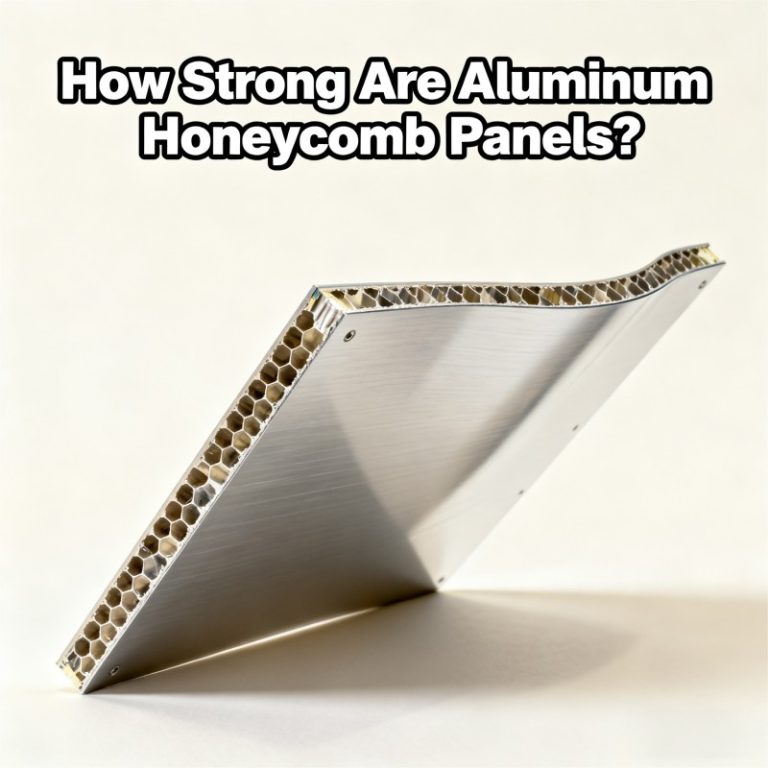
An aluminum honeycomb panel is a sandwich-structured composite made up of two thin aluminum sheets bonded to a lightweight aluminum core in a honeycomb shape. This hexagonal core design mimics natural honeycomb geometry, which provides excellent strength-to-weight ratio and structural stability.
The design offers multiple benefits:
①Extremely lightweight – significantly lighter than solid aluminum sheets or steel.
②High rigidity – ensures excellent flatness and load-bearing capacity.
③Fire-resistant and corrosion-proof – suitable for indoor and outdoor applications.
④Sound and thermal insulation – improves energy efficiency in buildings.
Because of these properties, aluminum honeycomb panels are often referred to as the “perfect combination of strength and beauty” in modern engineering and architectural design.
2. Applications of Aluminum Honeycomb Panels
Aluminum honeycomb panels are extremely versatile. Their unique characteristics make them suitable for multiple industries and environments. Below are some of the most common and high-value applications.
(1) Building Facades and Curtain Walls
In modern construction, façade systems demand materials that are lightweight, durable, and weather-resistant. Aluminum honeycomb panels meet all these needs. They are used for:
①Exterior wall cladding
②Architectural curtain walls
③Column covers and decorative façades
The honeycomb core allows for large panel sizes with minimal weight, reducing installation complexity while ensuring long-term durability and excellent thermal performance.
(2) Ceilings and Interior Wall Panels
Interior designers often choose aluminum honeycomb ceiling panels for commercial spaces like airports, malls, offices, and hospitals. Their smooth surface, fire resistance, and acoustic properties make them ideal for modern interior applications.
They can be customized in various finishes such as wood grain, stone texture, metallic coating, or powder paint, providing a perfect balance between function and aesthetics.
(3) Transportation Industry
Weight reduction is a critical goal in the transportation sector. Aluminum honeycomb panels are used in:
①Aircraft interiors (floors, partitions, luggage compartments)
②Train and subway walls
③Ship cabins and bulkheads
④Automotive body panels
The lightweight core reduces fuel consumption, while the high rigidity ensures safety and stability under high-speed or heavy-load conditions.
(4) Furniture and Custom Cabinetry
In high-end furniture manufacturing, aluminum honeycomb panels are increasingly used as an eco-friendly alternative to wood. They are ideal for:
①Kitchen cabinets
②Closet doors
③Office furniture
④Exhibition displays
These panels are not only stylish but also moisture-proof, anti-deformation, and 100% recyclable—making them a sustainable choice for modern interiors.
(5) Clean Rooms and Laboratories
Due to their non-porous surface and corrosion resistance, aluminum honeycomb panels are widely used in clean rooms, laboratories, and pharmaceutical environments. They provide a sterile surface that is easy to clean and maintain, essential for industries with strict hygiene requirements.
(6) Marine and Offshore Engineering
In ships and offshore platforms, weight and corrosion are critical considerations. Aluminum honeycomb panels serve as structural and decorative materials for:
①Ship cabins
②Decks and partitions
③Control room walls
They enhance the vessel’s performance by lowering overall weight and improving corrosion resistance against saltwater environments.
3. Advantages of Using Aluminum Honeycomb Panels
Beyond their wide applications, aluminum honeycomb panels stand out for their superior performance characteristics.
(1) Lightweight but Strong
The honeycomb core’s geometry allows for high compressive and shear strength with only a fraction of the weight compared to traditional materials like steel or wood.
(2) Excellent Flatness
Thanks to uniform internal stress distribution, the surface remains perfectly flat even under high temperature or humidity—making it suitable for precision construction projects.
(3) Fire and Heat Resistance
Aluminum is naturally non-combustible, and the honeycomb structure enhances its fireproof rating, ensuring safety in public and commercial buildings.
(4) Sound and Vibration Insulation
The air pockets within the honeycomb core absorb and dampen vibrations, improving acoustic performance in offices, trains, and auditoriums.
(5) Eco-Friendly and Recyclable
Unlike composite materials made with non-recyclable cores, aluminum honeycomb panels can be 100% recycled, aligning with sustainable building standards such as LEED and BREEAM.
4. Surface Finishing Options
To meet diverse design preferences, aluminum honeycomb panels come in multiple finishes:
①PVDF coating for outdoor weather resistance
②Powder coating for interior use
③Wood grain or stone texture for decorative purposes
④Mirror finish for high-end architectural aesthetics
Manufacturers also offer custom colors, gloss levels, and embossing patterns to fit specific project themes, ensuring both beauty and performance.
5. Installation and Maintenance
Installation of aluminum honeycomb panels is relatively simple due to their lightweight structure and modular design. Panels can be fixed with:
①Hidden fasteners
②Rigid frame systems
③Adhesive bonding (for interior use)
Maintenance is also minimal—regular cleaning with mild detergent keeps the surface shiny and prevents corrosion or dirt accumulation. Their long lifespan significantly reduces replacement and maintenance costs over time.
6. Future Trends of Aluminum Honeycomb Panels
With global demand for eco-friendly and energy-efficient materials on the rise, the use of aluminum honeycomb panels is expected to expand even further. Future developments focus on:
①Integrating smart coatings (self-cleaning, anti-bacterial)
②Improving thermal insulation and energy efficiency
③Expanding into 3D architectural façades and modular furniture systems
Manufacturers are also investing in automation and digital fabrication to achieve higher precision and lower production costs.
7. Summary and Recommendations
Aluminum honeycomb panels represent a remarkable advancement in material science and design flexibility. Their combination of lightweight strength, aesthetic versatility, and sustainability makes them indispensable in modern industries—from architecture to aerospace.
Whether used in building façades, ceilings, furniture, or transportation, these panels deliver long-term performance, visual appeal, and environmental responsibility. As technology evolves, aluminum honeycomb panels will continue to play a key role in shaping the future of modern construction and industrial design.