+8613413290456

Aluminum honeycomb panels are widely recognized for their lightweight nature, strength, and versatility, making them a popular choice in a variety of industries, including aerospace, construction, automotive, and interior design. However, like any material, aluminum honeycomb panels have a finite lifespan. Understanding the lifespan of aluminum honeycomb panels and the factors that affect their durability is essential when choosing this material for long-term applications.
In this blog post, we will explore the expected lifespan of aluminum honeycomb panels, what factors contribute to their longevity, and how to maximize their durability in different environments. We will also discuss how aluminum honeycomb core panels, aluminium honeycomb composite panels, and other variations of aluminum honeycomb material can provide long-lasting performance when properly maintained.
1. What Are Aluminum Honeycomb Panels?
To fully understand the lifespan of aluminum honeycomb panels, it’s important to first explain what they are and how they are constructed.
Aluminum honeycomb panels consist of:
①Two thin outer skins—usually made of aluminum or other metals—that form the faces of the panel.
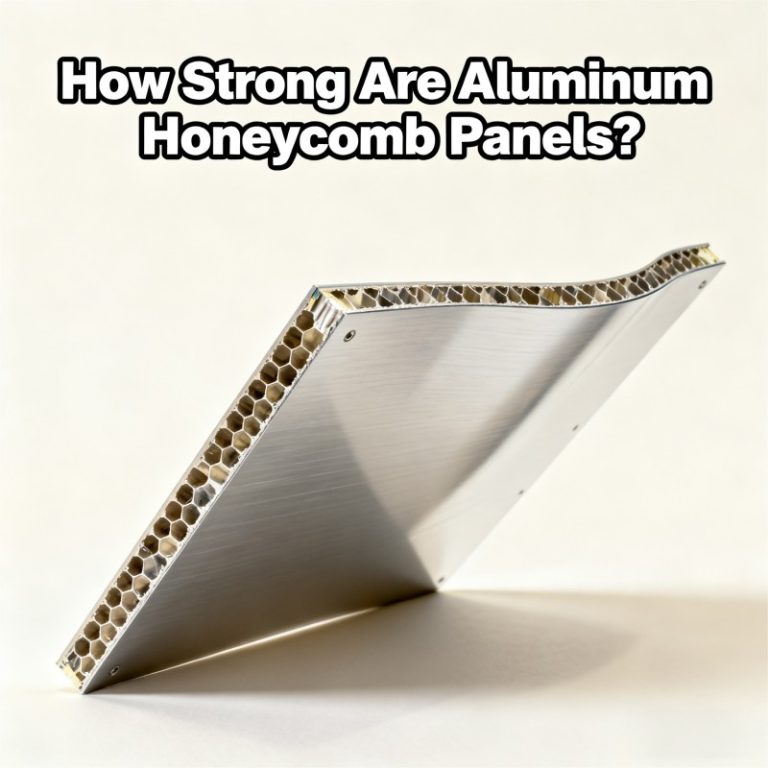
②A honeycomb core, typically made from aluminum, which is sandwiched between the skins. This core structure provides strength and rigidity while maintaining a lightweight profile.
The honeycomb core distributes forces evenly across the surface, offering excellent load-bearing capacity, compressive strength, and impact resistance. As a result, aluminum honeycomb panels are used in a wide range of applications, including aircraft construction, building facades, automotive parts, and interior design.
2. Lifespan of Aluminum Honeycomb Panels
The lifespan of aluminum honeycomb panels varies depending on several factors, such as the quality of the materials used, the type of environment in which they are used, and the level of maintenance they receive. Generally, aluminum honeycomb panels can last for several decades, especially in applications where they are not exposed to harsh conditions.
(1) Expected Lifespan in Aerospace Applications
In aerospace, aluminum honeycomb panels are used extensively for aircraft structures, including floors, walls, and cargo holds. In these applications, the panels are exposed to high mechanical stress, temperature variations, and aerodynamic forces. Despite these challenges, aluminum honeycomb panels used in aircraft can last for 20-30 years, provided they are well-maintained and inspected regularly.
The longevity of aluminum honeycomb core panels in aerospace applications is primarily due to their resilience and low maintenance requirements. However, the lifespan can be shortened if the panels are exposed to corrosive environments, like saltwater, or if they sustain physical damage during operations.
(2) Lifespan in Construction and Architecture
When used for building facades, interior wall panels, or roofing, aluminum honeycomb panels typically have a lifespan of 30 to 50 years. In construction applications, these panels are exposed to outdoor elements, including UV radiation, rain, snow, and fluctuating temperatures. However, their corrosion-resistant aluminum outer skins help protect the honeycomb core from environmental damage, ensuring long-term performance.
The lifespan of aluminium honeycomb composite panels used in construction can be extended by applying protective coatings, such as anodizing or powder coating, to the aluminum skins. These coatings act as a barrier against moisture and chemicals, preventing corrosion and degradation over time.
(3) Lifespan in Automotive and Marine Applications
In the automotive and marine industries, aluminum honeycomb panels are used to reduce the weight of vehicles and ships while maintaining strength and rigidity. In these environments, the panels are exposed to mechanical wear, vibration, and, in the case of marine applications, saltwater, which can accelerate corrosion.
The expected lifespan of aluminum honeycomb material in automotive or marine applications ranges from 10 to 20 years, depending on the environmental conditions. Marine environments—with their high levels of humidity and saltwater exposure—can significantly shorten the lifespan of aluminum panels unless proper protective coatings are used.
(4) Lifespan in Interior Applications
For interior applications, such as furniture, cabinetry, or partition walls, the lifespan of aluminum honeycomb panels can easily exceed 50 years. Since these panels are not exposed to extreme external conditions, they tend to last much longer. Their durability and low maintenance requirements make them an excellent choice for modern interiors.
3. Factors Affecting the Lifespan of Aluminum Honeycomb Panels
Several factors can impact the lifespan of aluminum honeycomb panels. Understanding these factors is essential for maximizing their durability in specific applications.
(1) Exposure to Environmental Conditions
One of the most significant factors influencing the lifespan of aluminum honeycomb panels is the environmental conditions in which they are used. Extreme weather conditions, including:
①High humidity
②Corrosive chemicals
③Saltwater exposure
④UV radiation
These environmental factors can affect the aluminum skins and honeycomb core, potentially leading to corrosion, delamination, and material degradation over time.
For example, marine environments expose aluminum panels to saltwater and high humidity, which can lead to corrosion unless the panels are treated with protective coatings or have corrosion-resistant properties.
(2) Material Quality and Coatings
The quality of the materials used in the manufacturing of aluminum honeycomb panels plays a crucial role in determining their lifespan. High-quality aluminum with proper surface treatment (such as anodizing or powder coating) will be more resistant to environmental damage and corrosion.
In addition to the material quality, the protective coatings applied to the outer skins of the panels significantly extend their lifespan. For example, anodized aluminum forms a durable oxide layer on the surface, making the panels more resistant to wear, corrosion, and UV degradation. Similarly, powder coating offers excellent protection against weathering and chemicals.
(3) Physical Wear and Tear
The physical wear and tear on aluminum honeycomb panels can also affect their longevity. Impact damage, such as from dropped objects or accidental collisions, can compromise the integrity of the panel and shorten its lifespan. This is especially true in applications where the panels are exposed to high levels of traffic or mechanical stress, such as in aircraft or automobiles.
Regular inspections and maintenance can help identify and address any structural damage early, extending the lifespan of the panels.
(4) Maintenance and Care
Proper maintenance is essential for maximizing the lifespan of aluminum honeycomb core panels. Regular cleaning, inspection, and repair can prevent the buildup of dirt, debris, and moisture, which can lead to deterioration over time. In aerospace and automotive applications, periodic checks are required to ensure that the panels are free from cracks, deformations, or signs of corrosion.
In construction applications, maintenance may involve cleaning the panels and applying protective coatings to prevent environmental damage.
4. How to Extend the Lifespan of Aluminum Honeycomb Panels
To ensure that aluminum honeycomb panels last as long as possible, consider the following strategies:
(1) Apply Protective Coatings
Protective coatings, such as anodizing or powder coating, can significantly enhance the lifespan of aluminum honeycomb panels by providing a protective barrier against moisture, UV radiation, and corrosion. These coatings also help maintain the aesthetic appearance of the panels, especially in outdoor or marine applications.
(2) Choose High-Quality Materials
The lifespan of aluminum honeycomb composite panels is directly related to the quality of the materials used. High-quality aluminum and core materials that are properly treated will offer better durability and resistance to wear. Always ensure that you source your panels from reputable manufacturers who use premium materials.
(3) Perform Regular Inspections
Regular inspections are crucial for detecting early signs of wear, such as cracking, delamination, or corrosion. This is especially important in aerospace and automotive applications, where structural integrity is critical. By identifying and addressing issues early, you can extend the lifespan of the panels and prevent costly repairs or replacements.
(4) Minimize Physical Impact
To prevent physical damage, it’s important to avoid exposing aluminum honeycomb panels to excessive impacts. In high-traffic areas or environments prone to heavy loading, consider using additional protective measures such as edge guards or reinforcement structures.
5. Summary and Recommendations
Aluminum honeycomb panels are incredibly durable and can last for decades if properly maintained and protected. The expected lifespan ofaluminum honeycomb panels typically ranges from 20 to 50 years, depending on the specific application and environmental conditions. In industries like aerospace, construction, automotive, and marine, these panels offer outstanding performance in terms of strength-to-weight ratio, impact resistance, and longevity.
Summary of Lifespan Expectations:
①Aerospace: 20-30 years if well-maintained and inspected regularly.
②Construction: 30-50 years, especially with protective coatings and proper care.
③Automotive and Marine: 10-20 years, with saltwater exposure or high wear environments reducing the lifespan unless treated properly.
④Interior Applications: Over 50 years in controlled indoor environments with minimal wear and exposure.