+8613413290456

Honeycomb panels have gained considerable attention in industries ranging from construction to aerospace due to their outstanding strength-to-weight ratio and versatility. Aluminum honeycomb panels, in particular, are used widely for their durability, insulation properties, and aesthetic appeal. However, despite these advantages, honeycomb panels also have a range of disadvantages that should be considered before choosing them for a specific application.
In this blog post, we will explore the disadvantages of honeycomb panels, including their limitations in terms of cost, impact resistance, thermal insulation, and installation. By understanding these drawbacks, you can make an informed decision on whether aluminum honeycomb panels are the right material for your project.
1. Understanding Honeycomb Panels
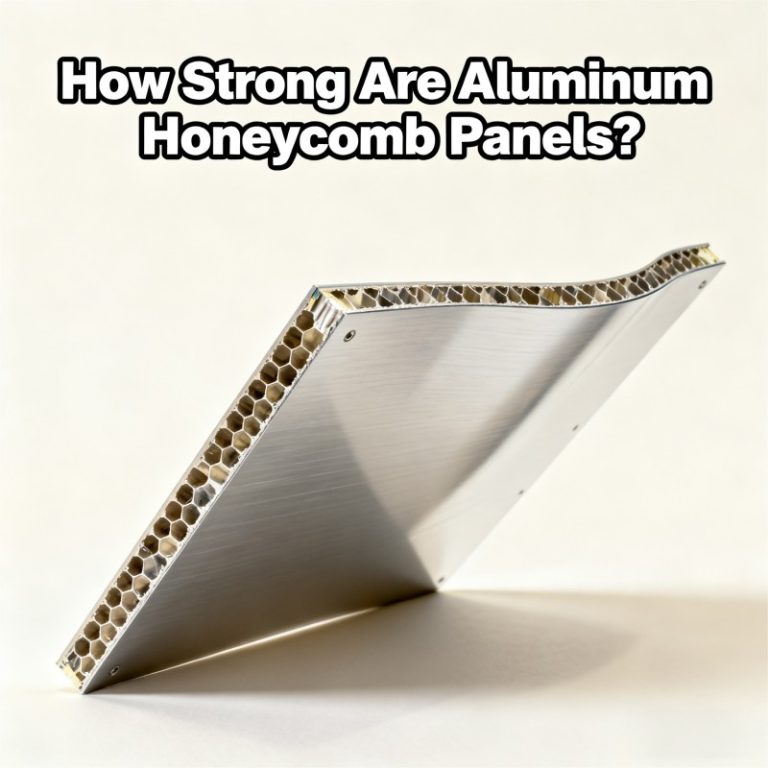
Before delving into the disadvantages, let’s briefly define what honeycomb panels are. Honeycomb panels are a type of composite material made up of two thin outer skins (typically made of aluminum or other materials) and a lightweight core structure shaped like a honeycomb. This unique structure provides significant strength and rigidity while maintaining a lightweight profile.
Honeycomb panels are commonly used in various industries, including:
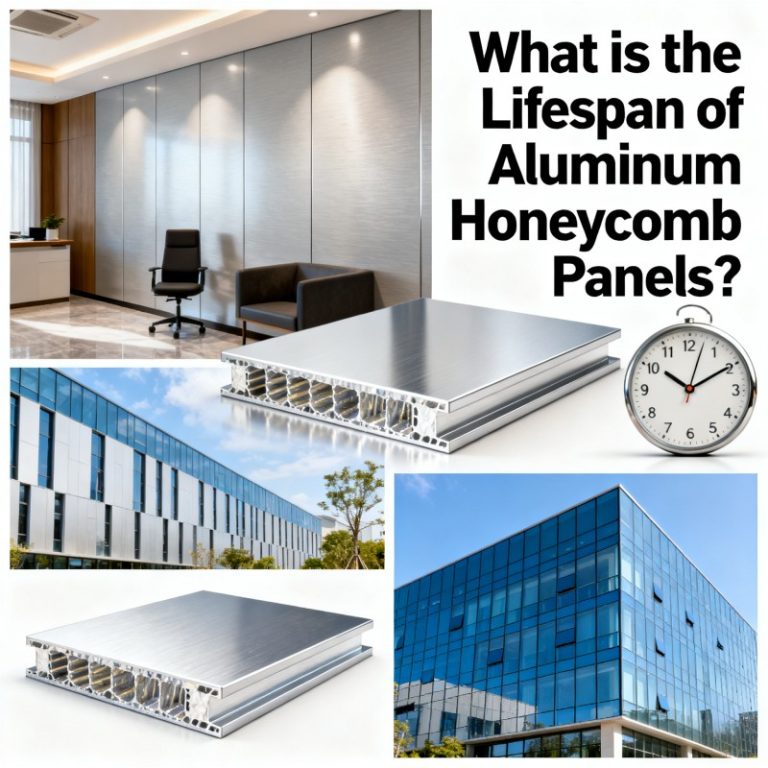
①.Construction (building facades, ceilings, interior walls)
②.Aerospace (aircraft and spacecraft components)
③.Marine (ships and offshore platforms)
④.Transportation (trains and automotive applications)
⑤.Furniture and cabinetry
They are especially valued for their strength-to-weight ratio, energy efficiency, and noise insulation capabilities. However, these benefits come with some inherent drawbacks.
2. The Disadvantages of Honeycomb Panels
(1) High Initial Cost
One of the primary disadvantages of honeycomb panels—especially aluminum honeycomb panels—is the high initial cost. Due to the complex manufacturing process and the high-quality materials used to create the panels, they tend to be more expensive than traditional construction materials like plywood, MDF, or solid aluminum.
For example, the process of bonding the honeycomb core to the outer sheets involves sophisticated techniques that increase both the material and production costs. While these panels offer long-term benefits in terms of durability and energy efficiency, the initial cost can be a significant barrier for small-scale projects or those with limited budgets.
How to mitigate this:
If you’re working within a tight budget, you can consider using honeycomb panels for specific applications where their benefits are most pronounced, such as for lightweight structures or in areas that require high strength-to-weight ratios. For non-critical applications, traditional materials may be more cost-effective.
(2) Vulnerability to Impact Damage
Although honeycomb panels are known for their strength, they can be vulnerable to impact damage. The honeycomb core, although strong in compression and shear, can be deformed or crushed when subjected to sharp impacts or concentrated loads. This is a common issue for aluminum honeycomb panels used in high-traffic areas or environments where physical impacts are frequent.
For example, in aerospace applications, a sharp object or heavy luggage could potentially cause localized damage to the panels, leading to reduced structural integrity. Similarly, in marine applications, strong impacts from equipment or harsh weather conditions could compromise the performance of honeycomb panels.
How to mitigate this:
To reduce the risk of impact damage, honeycomb panels can be reinforced with additional layers of protective material or placed in areas less exposed to heavy impacts. Also, consider using higher-density honeycomb cores for greater impact resistance.
(3) Limited Load-Bearing Capacity
While honeycomb panels are excellent for applications that require a balance of strength and weight, they have limited load-bearing capacity compared to solid materials like steel or wood. The panels perform well in compression and shear, but they may struggle under concentrated point loads or in applications that require the material to support substantial weight.
For example, if honeycomb panels are used in large structural components, such as floors or walls that bear significant weight, they may require additional reinforcement to avoid bowing or warping. This limitation can be particularly problematic in high-stress environments, such as industrial buildings or heavy machinery applications.
How to mitigate this:
To address the load-bearing limitation, you can opt for thicker panels or reinforce the honeycomb core with stronger materials. For applications requiring heavy-duty support, consider pairing honeycomb panels with more robust materials such as steel or concrete.
(4) Moisture Sensitivity and Corrosion Risk
Although aluminum honeycomb panels are resistant to corrosion, the core material, particularly if it is made of paper or a composite, can absorb moisture over time. Moisture sensitivity can lead to issues such as core swelling, delamination, and a decrease in the panel’s overall structural integrity.
This problem is particularly concerning in environments with high humidity, such as in marine or outdoor applications, where exposure to moisture is unavoidable. In these cases, the honeycomb panels can deteriorate faster than expected, requiring regular maintenance or replacement.
How to mitigate this:
To prevent moisture-related damage, consider using honeycomb panels with moisture-resistant cores or applying a protective coating to the panels to shield them from water exposure. Additionally, choosing aluminum honeycomb panels with a sealed core or composite honeycomb materials can reduce the risk of moisture absorption.
(5) Complex Installation and Handling
The installation process of honeycomb panels can be more complex and time-consuming compared to traditional panels. Due to their unique structure, honeycomb panels require special handling during transportation, cutting, and installation to avoid damage. They also require specific installation techniques to ensure they perform optimally.
For example, during cutting and fitting, there is a higher risk of damaging the panels, as the thin outer skins can easily get deformed or scratched. Special tools may be needed to ensure a clean, precise cut, which could increase the time and cost involved in the installation process.
How to mitigate this:
To reduce installation time and risk of damage, hire professionals who are experienced in working with honeycomb panels. Additionally, advanced cutting tools like laser cutters or waterjet cutters can be used to ensure precision and minimize the risk of damage during installation.
(6) Thermal Insulation Limitations
While honeycomb panels offer some thermal insulation properties, they are generally not as effective as other materials, such as foam core panels or fiberglass, when it comes to extreme temperature regulation. The core of a honeycomb panel does provide some level of insulation, but for highly energy-efficient applications, honeycomb panels may need additional layers of insulation.
This is particularly true for buildings located in extreme climates, whether extremely hot or cold, where thermal insulation is a critical factor for energy efficiency and occupant comfort.
How to mitigate this:
In applications where high thermal performance is essential, you can combine honeycomb panels with foam core panels or other insulation materials. This approach will help achieve better thermal insulation without compromising the structural benefits of the honeycomb panel.
3. How to Overcome the Disadvantages of Honeycomb Panels
Despite the drawbacks of honeycomb panels, there are several ways to mitigate these issues and fully utilize the benefits of this material. Here are some strategies to consider:
①Reinforce with Additional Layers: For applications where impact resistance or load-bearing capacity is a concern, you can reinforce honeycomb panels with composite layers or additional framing to increase their strength.
②Use Moisture-Resistant Materials: To address moisture sensitivity, opt for moisture-resistant core materials or apply protective coatings to the panels to prevent water absorption and corrosion.
③Choose Thicker Panels: In high-stress or heavy-load applications, choose thicker honeycomb panels or combine them with stronger structural materials to ensure adequate performance.
④Consider Professional Installation: To minimize the complexity of installation and ensure a damage-free setup, consider hiring professionals who specialize in working with aluminum honeycomb panels and other composite materials.
4. Summary and Recommendations
Honeycomb panels are an innovative and versatile material used in a wide variety of industries. While they offer numerous advantages, such as a lightweight structure, strength, and energy efficiency, they do come with certain disadvantages, including high initial cost, vulnerability to impact damage, and moisture sensitivity.
By understanding these disadvantages of honeycomb panels and employing appropriate strategies to mitigate them, you can effectively utilize honeycomb panels in your projects. Whether you are working on construction, transportation, or furniture design, being aware of both the benefits and limitations will help you make the best material choice for your specific needs.